
Flooding in Miami is not a rare event — it’s a recurring reality.
Between hurricane season, tropical storms, king tides, heavy rainfall, and overwhelmed drainage systems, Miami homeowners face serious flood risks every year. When floodwaters enter your home, the damage can be devastating: destroyed flooring, soaked drywall, electrical hazards, mold growth, and structural instability.
But what many homeowners quickly discover is this:
Filing a flood damage claim in Miami is not simple.
Insurance policies are complex. Coverage differs between homeowners insurance and flood insurance. Deadlines are strict. And even when claims are filed correctly, disputes are common.
If your property has suffered flood damage in Miami, understanding the claims process can help protect your rights and maximize your recovery.
Understanding Flood Insurance in Miami
One of the biggest sources of confusion is coverage.
Standard homeowners insurance policies typically do not cover flood damage caused by rising water. Instead, flood protection usually comes through:
- A separate flood insurance policy
- The National Flood Insurance Program (NFIP)
- A private flood insurance carrier
In Miami-Dade County — one of the highest flood-risk areas in the country — many homeowners carry NFIP policies. However, these policies have strict rules about documentation and proof of loss.
If you are unsure whether your damage qualifies as flood damage or water damage from another source, this distinction can significantly affect your claim.
Step 1: Document the Flood Damage Immediately
After flooding, your priority is safety — but once safe, documentation is critical.
Take clear photographs and video of:
- Standing water levels
- Water lines on walls
- Damaged flooring
- Destroyed personal property
- Exterior damage
- Appliances and electrical systems
Do not discard damaged items until they are documented and, if possible, inspected by an adjuster.
In flood damage claims, visual evidence often determines whether a claim is approved or underpaid.
Step 2: Notify Your Flood Insurance Carrier Promptly
When filing a flood damage claim in Miami, timing matters.
Most flood policies require:
- Immediate notice of loss
- A formal Proof of Loss form within a specified timeframe
- Detailed itemization of damaged property
Missing deadlines or submitting incomplete documentation can result in denial.
It’s important to provide factual descriptions of the damage without speculating about causation. Flood claims can become complicated when insurers attempt to classify damage as pre-existing, maintenance-related, or excluded.
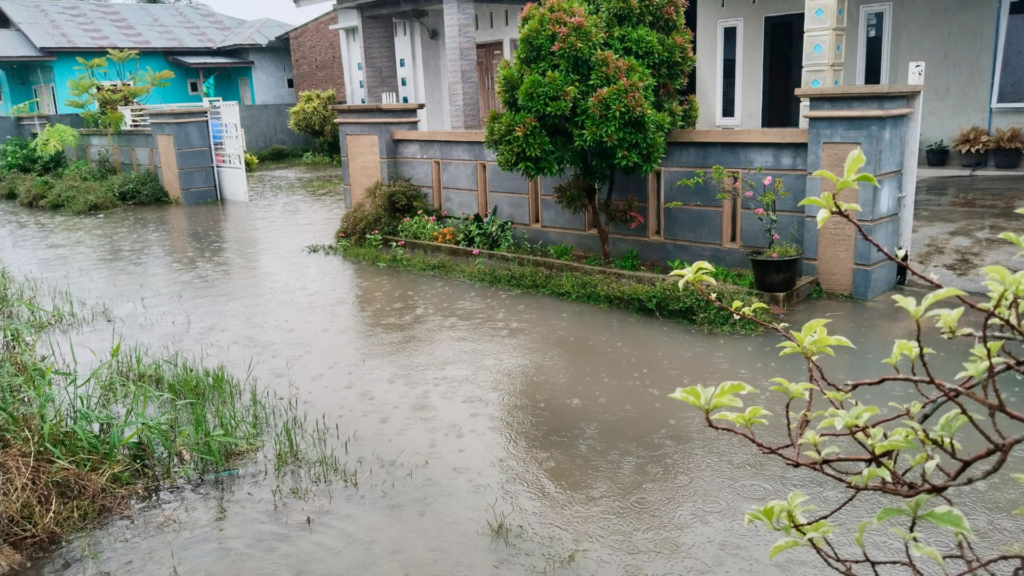
Why Flood Damage Claims in Miami Get Underpaid or Denied
Unfortunately, many flood insurance claims in South Florida are:
- Underestimated
- Delayed
- Partially approved
- Fully denied
Common reasons insurers give include:
- “Insufficient proof of loss”
- “Damage was not caused by floodwater”
- “Policy exclusions apply”
- “Damage occurred before coverage began”
In reality, some of these denials can be challenged with proper legal review.
Flood damage often leads to secondary issues like mold growth and structural compromise. If these consequences are not properly documented, insurers may attempt to minimize their responsibility.
The Difference Between Water Damage and Flood Damage
This is one of the most critical legal distinctions in Miami property claims.
Flood damage generally refers to water entering your home from:
- Rising ground water
- Storm surge
- Overflowing bodies of water
- Surface water accumulation
Water damage, on the other hand, may involve:
- Burst pipes
- Plumbing leaks
- Roof leaks
- Appliance malfunctions
Insurance companies often argue that damage falls into a category that limits coverage. Proper evaluation of the cause of loss can make a significant difference in your compensation.
What Compensation Can a Flood Damage Claim Cover?
A properly handled flood insurance claim may include compensation for:
- Structural repairs
- Flooring replacement
- Drywall removal and replacement
- Electrical system repairs
- HVAC damage
- Major appliances
- Built-in cabinetry
- Personal property (depending on coverage type)
Some policies also include coverage for temporary housing if your home becomes uninhabitable.
The key is ensuring that the full scope of damage is properly assessed — not just the visible surface damage.
When Should You Contact a Flood Damage Attorney in Miami?
You may want to consult a property damage attorney if:
- Your flood claim was denied
- The insurance payout seems too low
- Your claim has been delayed
- You’re being asked to submit repeated documentation
- The insurer disputes the cause of loss
Flood insurance claims, especially those involving NFIP policies, have strict procedural rules. Legal guidance can help ensure those rules are followed correctly.
Work With a Miami Flood Damage Attorney Who Protects Homeowners
At Cano Law Firm, we represent Miami homeowners facing flood damage insurance disputes.
We understand:
- Flood insurance policies
- NFIP claim procedures
- Florida insurance law
- Insurance company delay and denial tactics
If your flood damage claim was denied, underpaid, or mishandled, we can review your case and explain your options.
Schedule a Free Flood Damage Claim Consultation
Flood damage can turn your life upside down in days. The insurance process should not make it worse.
If you are filing a flood damage claim in Miami — or if your claim has already been denied or underpaid — contact Cano Law Firm today for a free consultation.
We will review your policy, evaluate the damage, and help you pursue the compensation you deserve.
There are no upfront fees, and you pay nothing unless we recover compensation on your behalf.